

Blog
This page is purely informative regarding issues we come across during our yacht survey's.
Underwaterschip and Omosis
The horror that is called "Osmosis".
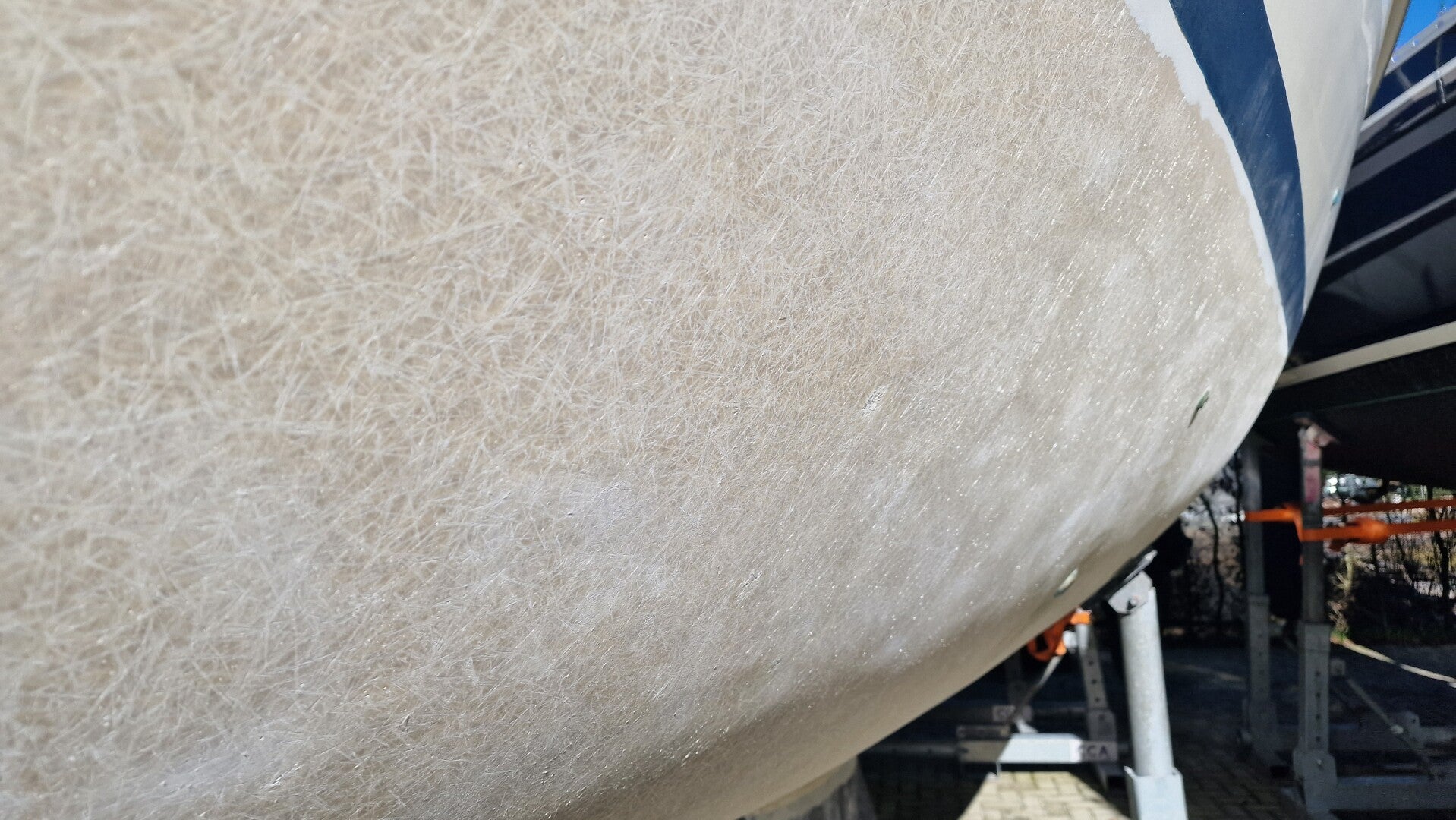
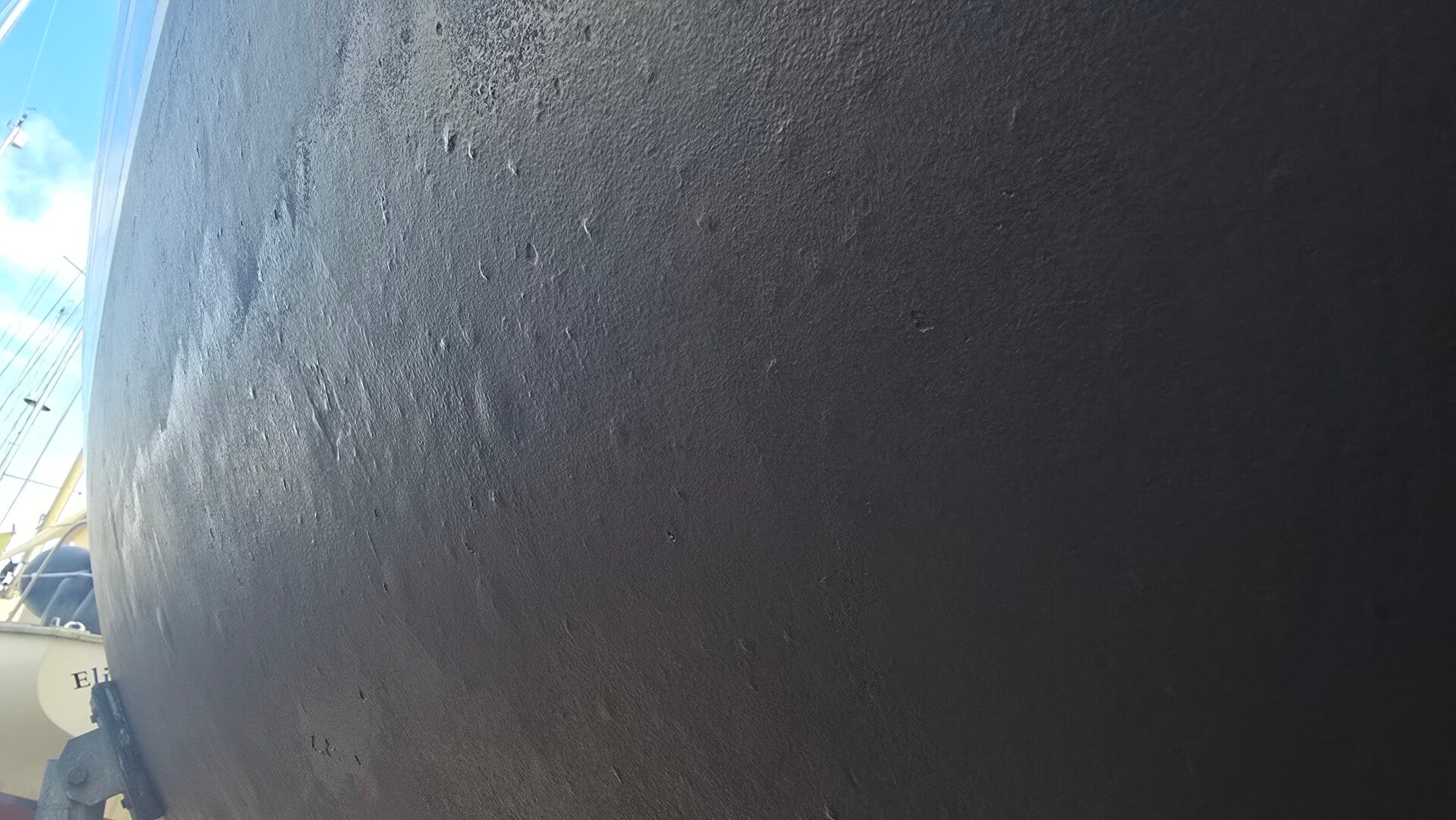
Blistering on the underwater hull is caused by water penetrating the gelcoat and reacting with substances in the laminate. It is recognizable by small bubbles with a sour (vinegar) odor, which can lead to delamination and structural weakening.
Blisters are not always due to osmosis; they can also be caused by an incorrectly applied paint system or other factors. By measuring with the Tramex Skipper & Protimeter Aquant, we can determine whether the laminate is dry and/or whether the bubbles are caused by other factors.
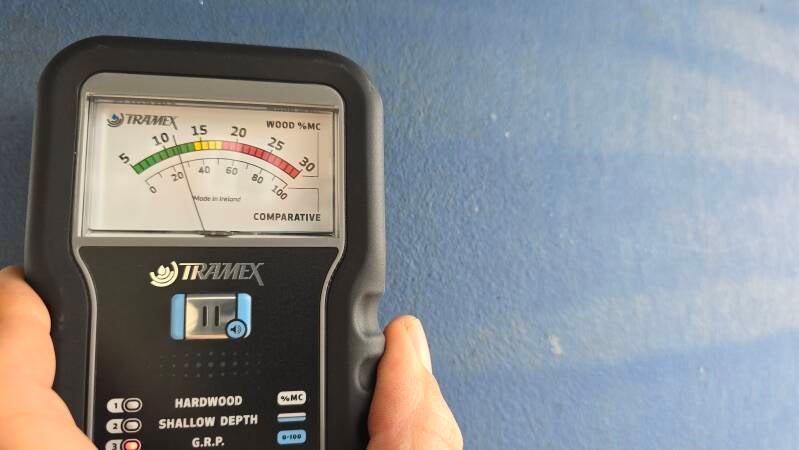

Tramex Skipper moistmeasurer Peeled hull that is now drying

Through hulls & seacocks
Valves and seacocks are among the most important parts of a ship. They literally float on them, and they should receive serious attention during your boat's inspection.
If a valve or fitting is leaking or broken, the ship's sinking is only a matter of time.
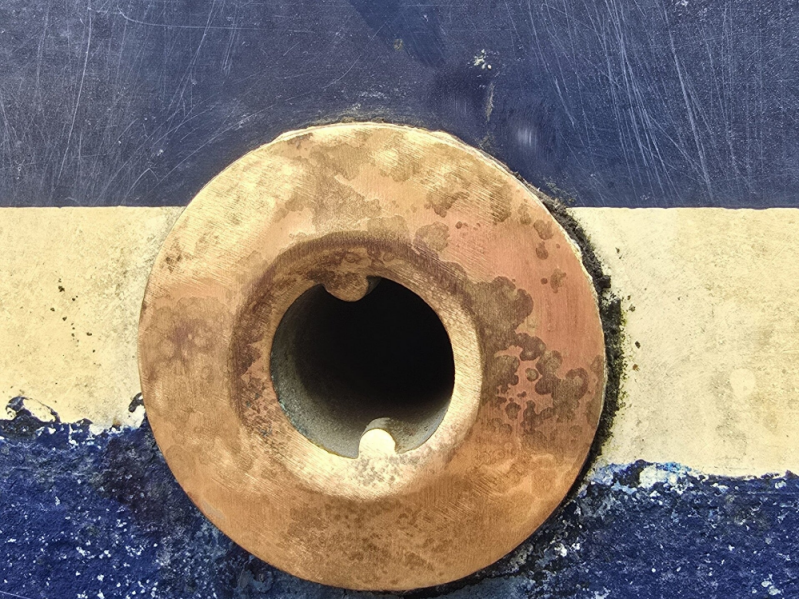
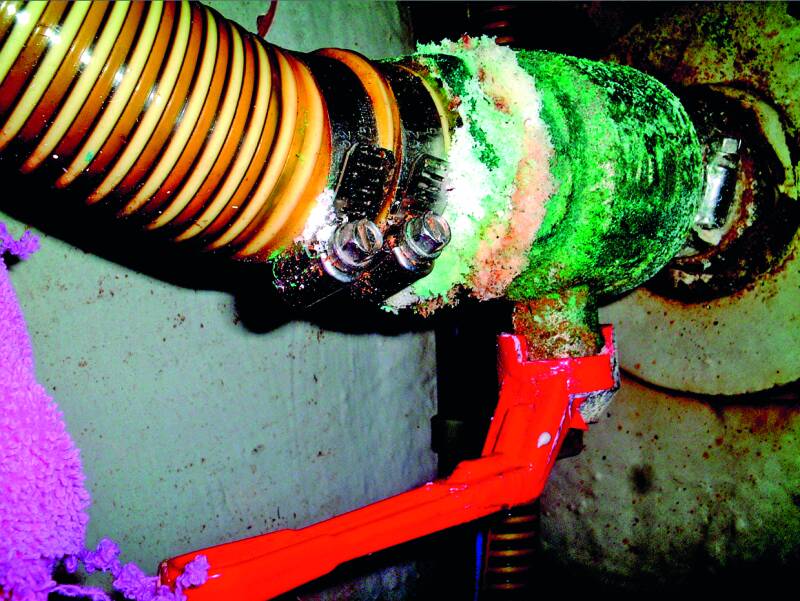
Dezincing process through hull Leaking seacock and serious corrosion
Interior & leaks
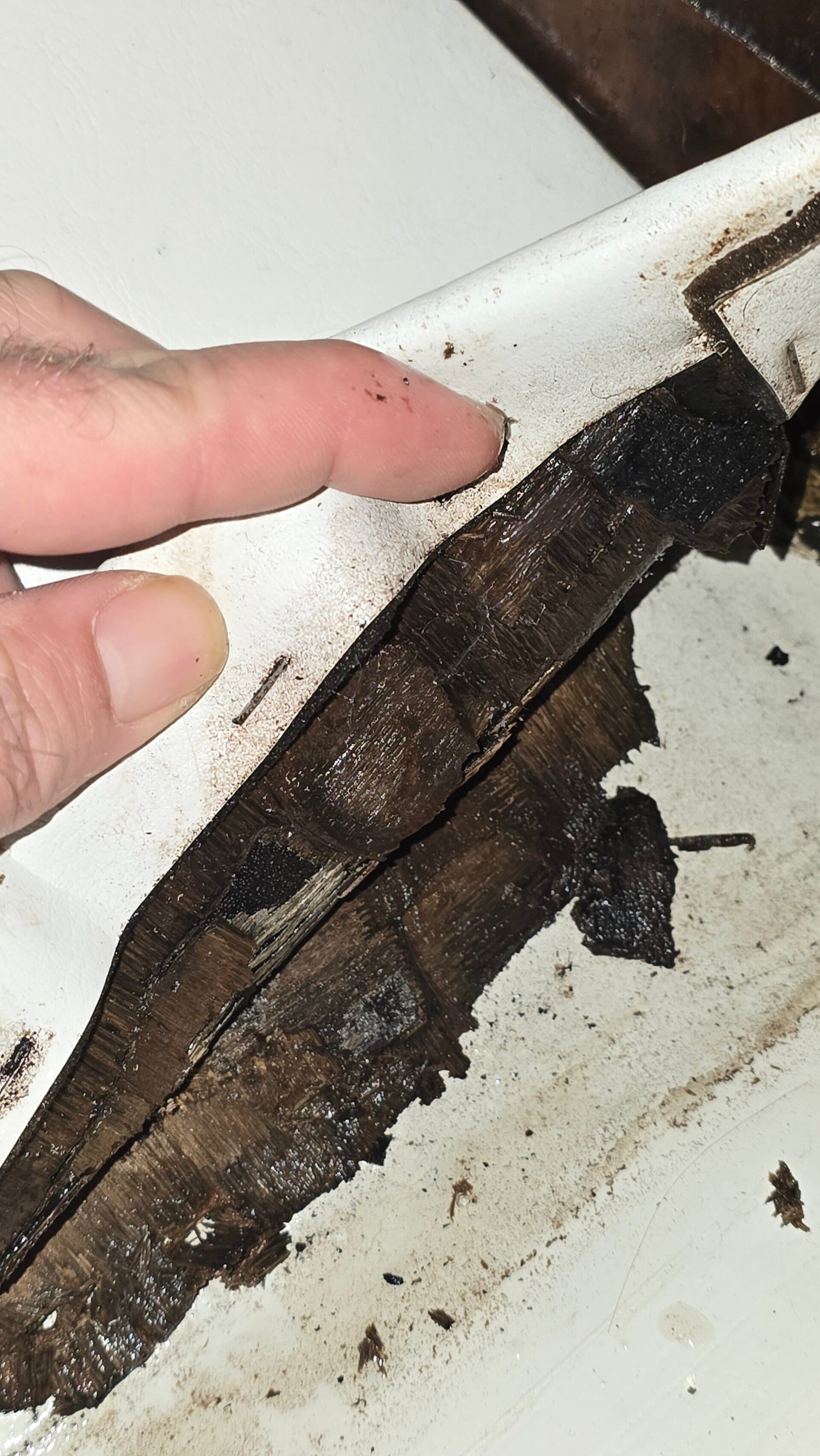
During the vessel's inspection, the interior is carefully examined. The inspector will dive into every nook and cranny possible to create a clear overall picture of the vessel. Leaks can be costly repairs if not discovered promptly.
Various sailing yachts from well-known brands have their own unique characteristics and known defects such as leakages.
Thanks to our years of experience as both a yacht broker and an surveyor, we know how to detect these immediately. If we can't properly examine them due to issues such as the carpentry, we'll attempt to locate them with an endoscope.

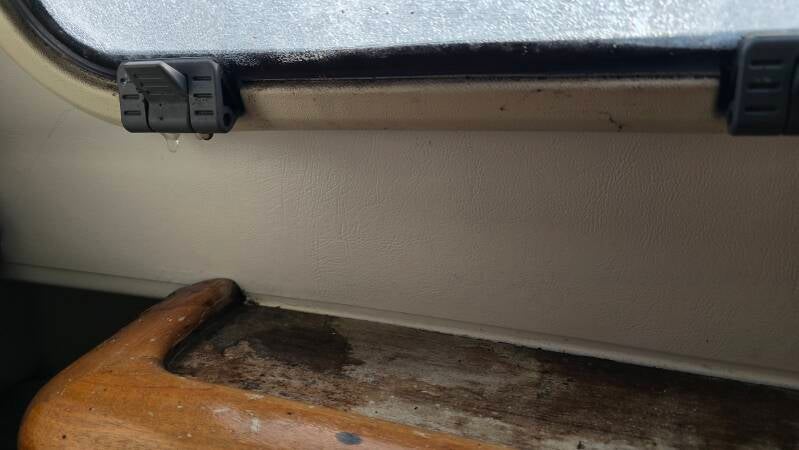
Leaking hull/deck joint Leaking seal window
Keelbolts and sealant
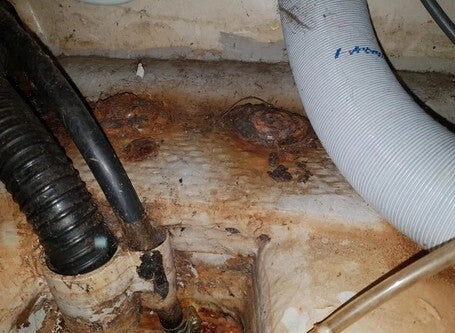
The keel is arguably the most important point of your ship that needs to be in order. Not only must it be watertight, but it must also be properly mounted. The keel absorbs the biggest impact during grounding. This can lead to leaks, cracked frames, or delamination in the hull.
This is therefore examined with great care during the pre-purchase inspection, through visual inspection, moisture measurements, and a load test for play relative to the hull. The keel bolts, as shown here (or actually no longer), are also subjected to the critical eye of the inspector.


Room and hairline crack Tidy and dry bolts
Teakdecks
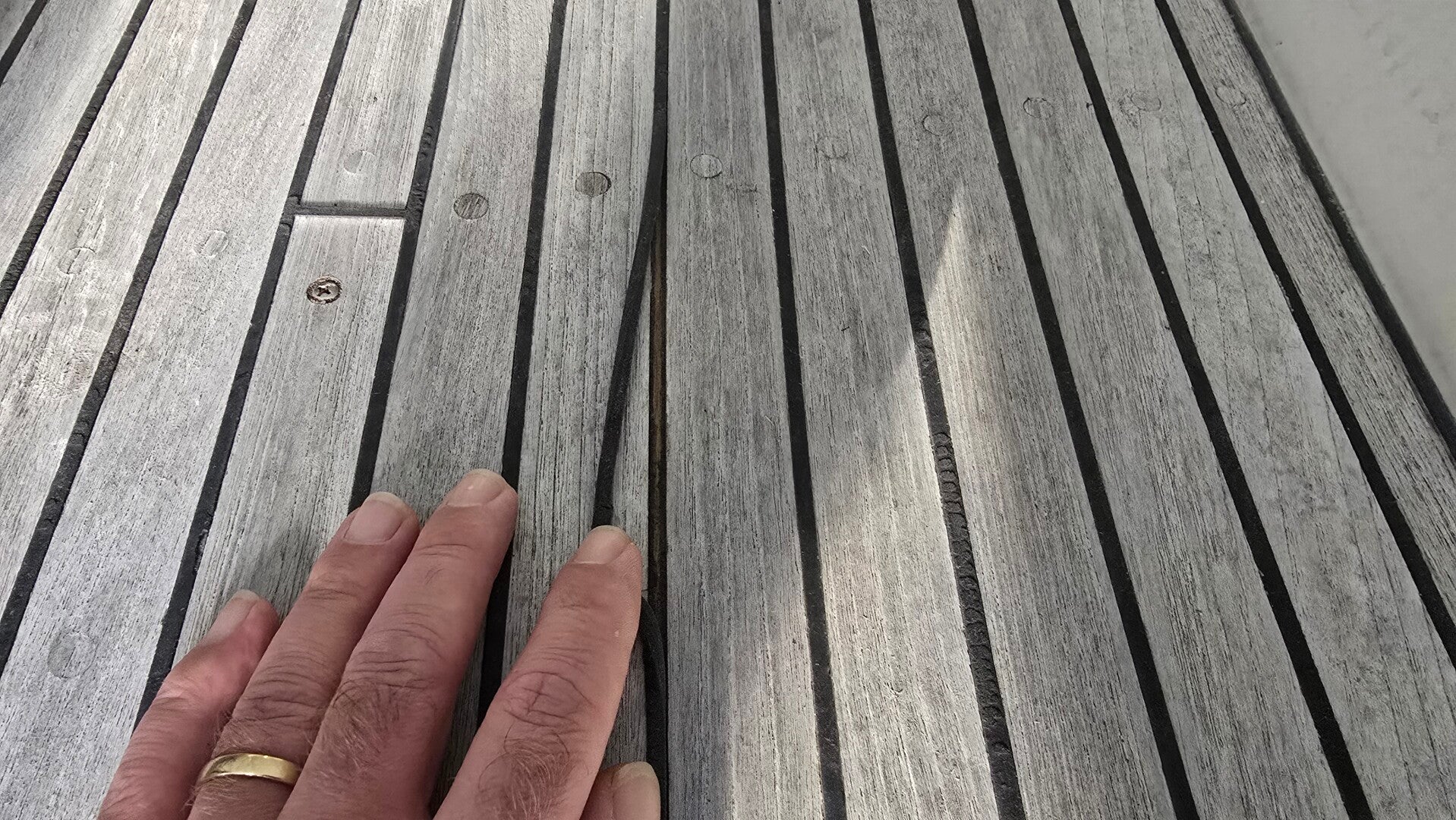
Many ships from well-known brands built before 2005 were delivered with beautiful teak decks. Now, 20+ years later, many decks are at the end of their lifespan. Perhaps the seller sanded it down nicely before the sale, making it look good?
During a technical pre-purchase inspection of your ship, we thoroughly check whether it is still structurally sound, whether the rubber seams are still sealing properly, and for general wear and tear.
Replacing or removing a teak deck can easily run into tens of thousands of euros on 30+ foot vessels. This should be taken into account in the purchase price.


Teakprops are coming loose Caulking higher then teak
Batteries & Electrics
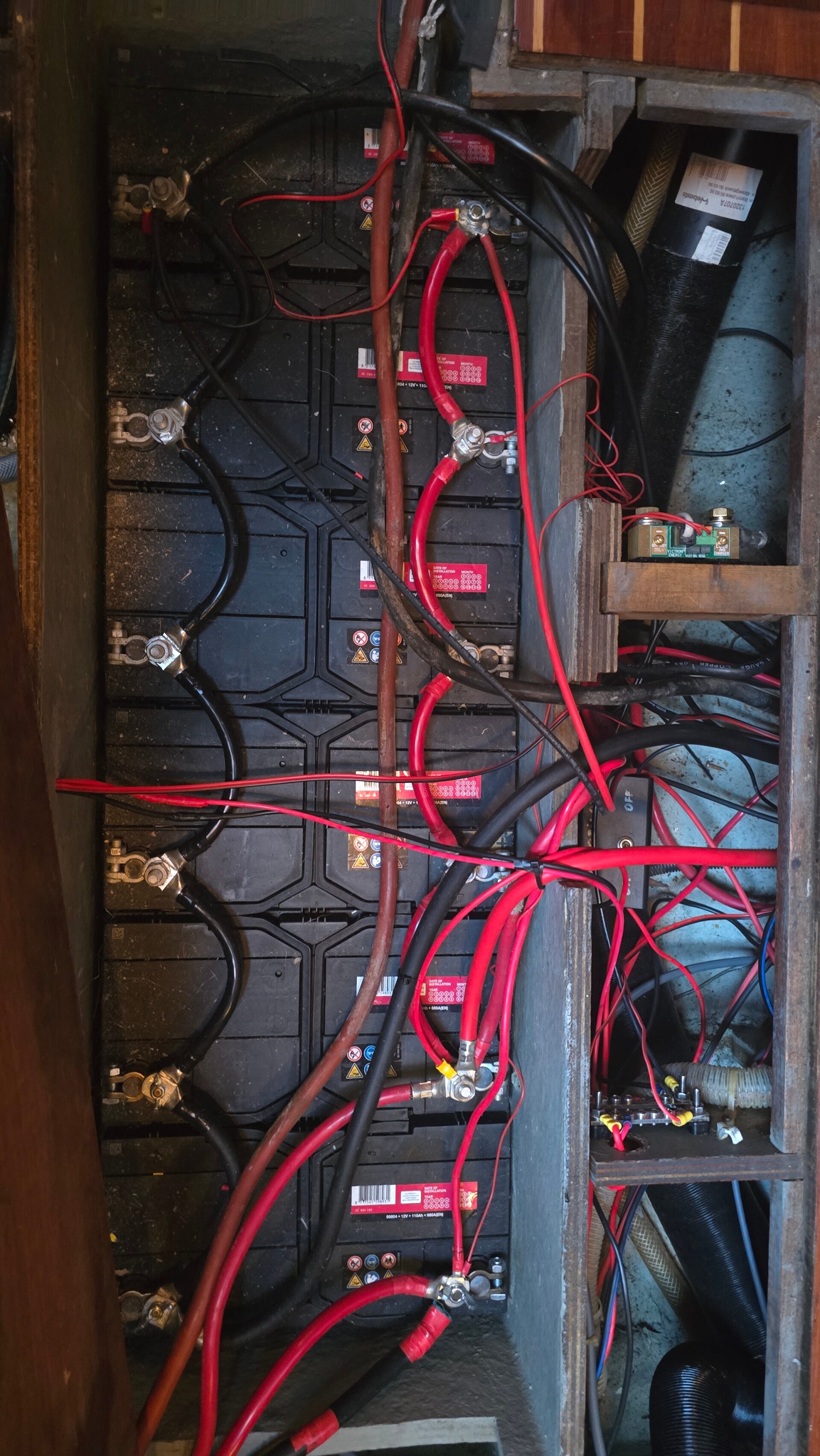
Batteries on yachts suffer a lot of wear and tear due to frequent voltage fluctuations and/or heavy users such as inverters and coffee machines. Replacing a (large) battery bank can be quite expensive; therefore, it is good to know their condition at the time of purchase. By testing the batteries, we know exactly what health they are in. Wiring and connections (among other things) are also inspected immediately


Measurements from battery Propely fixed and covered poles